
Nationally, there is a 10% rise in recorded incidents of suspected CO poisoning. Cases in children have increased by 20%, and by 17% in the over 60s.
In Kent, these figures are even more worrying. Figures obtained by Project SHOUT measured recorded cases year-on-year from July 2014 to June 2016. There were 32 suspected incidents from 2015 to 2016, compared to just 10 the previous year.
Data released from Kent NHS trusts reveals the number of people attending Kent’s A&E departments after inhaling CO gas. These have risen by 220%, with cases affecting children rocketing by 1000%.
One such incident reported locally is of a six-year-old boy who breathed in carbon monoxide thought to have come from a faulty boiler. Another is of a 61-year-old who died as a result of an unqualified friend fitting her boiler.
Rob Lyon, campaign director for Project SHOUT, said: “These numbers are very concerning, particularly the rise in cases amongst the most vulnerable, namely children and the elderly.”
“Children and older people are particularly at risk because their bodies are more susceptible and in the case of some older people, are less likely to keep their appliances serviced.”
Click here for more information.
Our Thoughts
Around 50 people die each year from carbon monoxide poisoning. And every one of them could have probably been prevented if only they had carbon monoxide detectors fitted.
Carbon monoxide is admitted when the fuel does not burn properly, which is often caused by appliances incorrectly fitted or maintained.
Common causes of CO poisoning include gas fires, boilers, and cookers, as well as open fires, log burners, barbecues and oil heaters. And it’s also been known to seep through walls and ceilings from neighbouring properties.
So just because you may not have any of these potential hazards in your home, does not mean you’re safe from harm.
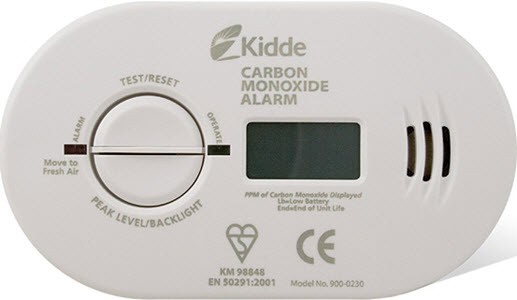
It’s recommended that you install a CO alarm in rooms which contain a potential threat for early detection. You should also consider installing one in the area which people sleep, as that is when you and your family are at the greatest risk.
To prevent carbon monoxide from entering your home, you should ensure that all appliances are installed by qualified professionals. And likewise, also get trained engineers to carry annual servicing on your gas appliances.
Your chimneys will also benefit from being swept and serviced on a yearly basis by approved chimney sweeps. Any blockages will cause carbon monoxide to build up in your home instead of going out the chimney. Plus, they will also update you on its condition.
Symptoms of CO poisoning are similar to having a cold or flu. However, things to look out for include headaches, sleepiness, nausea and vomiting, memory loss, fatigue and shortness of breath.
If enough carbon monoxide is inhaled and enters the blood flow, it can cause brain, heart or lung damage.
Should you suspect anyone is suffering from CO poisoning, make sure you turn off all appliance and get everyone outside into fresh air. As well as seeking urgent medical attention, don’t use any appliances until they have been fully checked by a professional.
A CO alarm will warn you that carbon monoxide is present in your home before it reaches dangerous levels which prove fatal. And because you cannot taste, smell or see it, CO is almost impossible to detect without an alarm.
In order to avoid becoming a statistic, and to help reverse this worrying curve, make sure you have CO alarms installed in your home, and check regularly that they work.